
Few things send parents into panic mode faster than a hot, fussy child and a thermometer reading that keeps climbing. The good news is that most fevers in children are not dangerous — they’re simply the body’s way of fighting off an infection. But knowing when a fever is “just a fever” and when it needs medical attention can make all the difference.
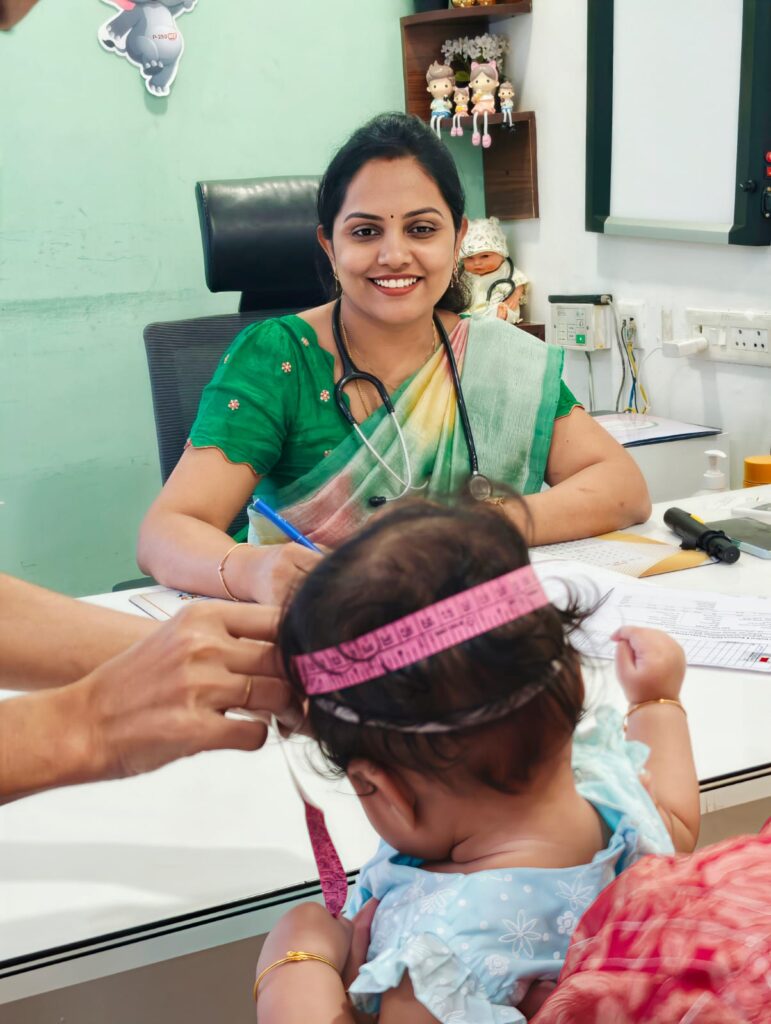
As a pediatrician in KPHB, Dr. Prathyusha sees this concern almost every day. Here’s a simple, practical guide to help you respond calmly and correctly.
What Counts as a Fever?
A body temperature above 100.4°F (38°C) is generally considered a fever in children. It’s important to remember that fever itself is not an illness — it’s a symptom, usually a sign that the immune system is working.
When You Can Manage It at Home
For most healthy children older than 3 months, a mild to moderate fever can usually be managed at home with:
- Plenty of fluids to prevent dehydration
- Light clothing and a comfortable room temperature
- Rest
- Paracetamol (as advised by your doctor) if the child is uncomfortable
Keep monitoring your child’s overall behavior. If they are still playing, eating reasonably well, and alert between fever spikes, that’s usually a reassuring sign.
When to See a Doctor
Book an appointment or visit a child specialist in KPHB if you notice any of the following:
- Fever in a baby under 3 months old (this always needs prompt medical evaluation)
- Fever above 104°F (40°C)
- Fever lasting more than 3 days
- Difficulty breathing or unusual breathing patterns
- Persistent vomiting or signs of dehydration (dry mouth, no tears, reduced urination)
- Rash accompanying the fever
- Unusual drowsiness, irritability, or difficulty waking the child
- A seizure (febrile convulsion)
When It’s an Emergency
Some symptoms need immediate medical attention, not a wait-and-watch approach:
- The child is limp, unresponsive, or extremely difficult to wake
- Blue lips or face
- Severe difficulty breathing
- A stiff neck along with fever
- A seizure lasting more than a few minutes
If any of these occur, don’t wait — head to the nearest hospital or emergency room right away.
A Few Myths Worth Clearing Up
“High fever means a serious illness.” Not always true. The height of the fever doesn’t always match the seriousness of the illness — a child’s overall behavior tells you more than the number on the thermometer.
“You must bring a fever down immediately.” Mild fevers actually help the body fight infection. The goal is comfort, not necessarily a “normal” reading right away.
“Cold sponging brings fever down fast.” Cold water or ice can cause shivering, which may raise body temperature instead of lowering it. Lukewarm sponging is safer, if needed at all.
When in Doubt, Get It Checked
Every child is different, and as a parent, your instinct matters. If something feels “off” even without a clear red-flag symptom, it’s always worth getting your child evaluated. Trust your gut — and your pediatrician.
Dr. Prathyusha, a trusted pediatrician in KPHB, offers evaluations, vaccinations, and ongoing care for children from newborns through adolescence. If your child has a fever that’s worrying you, schedule a visit today for peace of mind and expert care.