
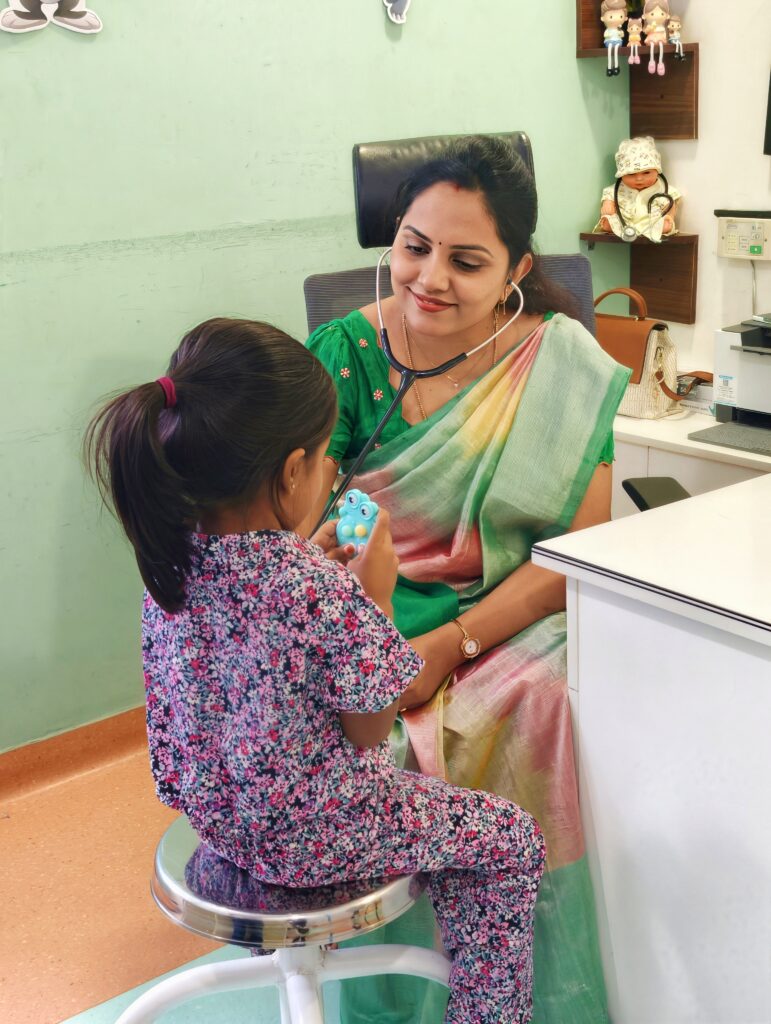
Dengue in Children — Hyderabad Monsoon 2026: Symptoms, Warning Signs & When to See a Doctor
Hyderabad is currently seeing a fresh wave of viral fevers and dengue-like illness as the monsoon rains continue. Local health reports this week have noted a rise in high-grade fevers, sharp pain behind the eyes, and rashes across the city — the classic early signs doctors watch closely in children. If you’re a parent in KPHB, Kukatpally, or nearby areas, here’s what you actually need to know right now.
Why Dengue Cases Rise Every Monsoon
Dengue spreads through the bite of an infected Aedes mosquito, which breeds in stagnant water. During July–October, Hyderabad’s waterlogged streets, uncovered coolers, flower pots, and open water storage containers become ideal breeding grounds. Children are especially vulnerable because their immune systems and smaller body size make them more susceptible to rapid dehydration and complications.
The Tricky Part: Dengue Looks Like a Normal Fever at First
This is the single biggest reason parents delay treatment. In the first 2–3 days, dengue and an ordinary viral fever can look almost identical — high temperature, body ache, and tiredness. There is no way to reliably tell them apart just by symptoms. A blood test is the only way to know for sure.
Rule of thumb this monsoon: if your child has a fever lasting more than a day, especially with body pain or pain behind the eyes, don’t wait it out — get tested.
Dengue Symptoms in Children to Watch For
- Sudden high fever (often 103–105°F)
- Severe headache, especially pain behind the eyes
- Body ache and joint pain
- Skin rash appearing 2–3 days into the fever
- Nausea or vomiting
- Unusual fatigue or irritability
Warning Signs That Need Emergency Care — Immediately
Most dengue cases in children are managed with rest, fluids, and monitoring. But certain signs mean you should go to a hospital right away, not wait for a clinic appointment:
- Severe stomach pain or repeated vomiting
- Bleeding from gums or nose, or blood in vomit/stool
- Cold, clammy hands and feet
- Extreme drowsiness, confusion, or irritability
- Refusing to drink or eat
- No urination for several hours
- Fast or difficult breathing
Importantly, many parents assume the danger has passed once the fever drops — but the period right after the fever breaks is often when complications are most likely to appear. Continue watching closely for 24–48 hours after the fever subsides.
What NOT to Give Your Child
- No aspirin or ibuprofen — these increase bleeding risk in dengue and should never be given for fever in a child who might have it.
- No antibiotics on your own — dengue is viral; antibiotics won’t help and can delay proper care.
- Only paracetamol, dosed according to your child’s weight and your doctor’s advice, is considered safe for fever control.
Prevention: What Actually Works This Season
- Empty and scrub water containers (buckets, flower vases, coolers, pet bowls) every alternate day — mosquitoes breed in water that’s just a few days old
- Use mosquito nets and repellents, especially during early morning and dusk when Aedes mosquitoes are most active
- Dress children in full-sleeve clothing during outdoor play in the evenings
- Keep surroundings free of stagnant water — check terraces, drain covers, and unused containers
- Ensure drinking water is boiled or filtered to also reduce risk of typhoid and stomach infections, which spread alongside dengue this season
When to Bring Your Child to the Clinic
Don’t wait for multiple symptoms to appear. If your child has had a fever for more than 24 hours, especially with body pain, headache, or a rash, it’s worth getting checked early. Early testing and monitoring make a significant difference in preventing complications like dengue hemorrhagic fever.
Quick Reference: Dengue vs. Ordinary Viral Fever
| Sign | Viral Fever | Possible Dengue |
|---|---|---|
| Fever pattern | Gradual, mild-moderate | Sudden, high (103–105°F) |
| Body pain | Mild | Severe, joint pain |
| Headache | Mild | Severe, pain behind eyes |
| Rash | Uncommon | Often appears Day 2–3 |
| Duration | Usually resolves in 3–5 days | Needs monitoring through Day 7+ |
| Confirmation | Clinical evaluation | Blood test (NS1/platelet count) |
Visit Dr. Prathyusha’s Pediatric Clinic in KPHB Colony
If your child has fever this monsoon season, don’t guess — get evaluated early. Dr. Prathyusha’s clinic in KPHB is equipped to assess fever, order appropriate testing, and guide you through safe home care or further treatment as needed.
📍 Location: 7th Phase, KPHB Colony, Hyderabad 📞 Phone: 8074345938
Early evaluation is the best protection for your child this dengue season. Book an appointment today.