
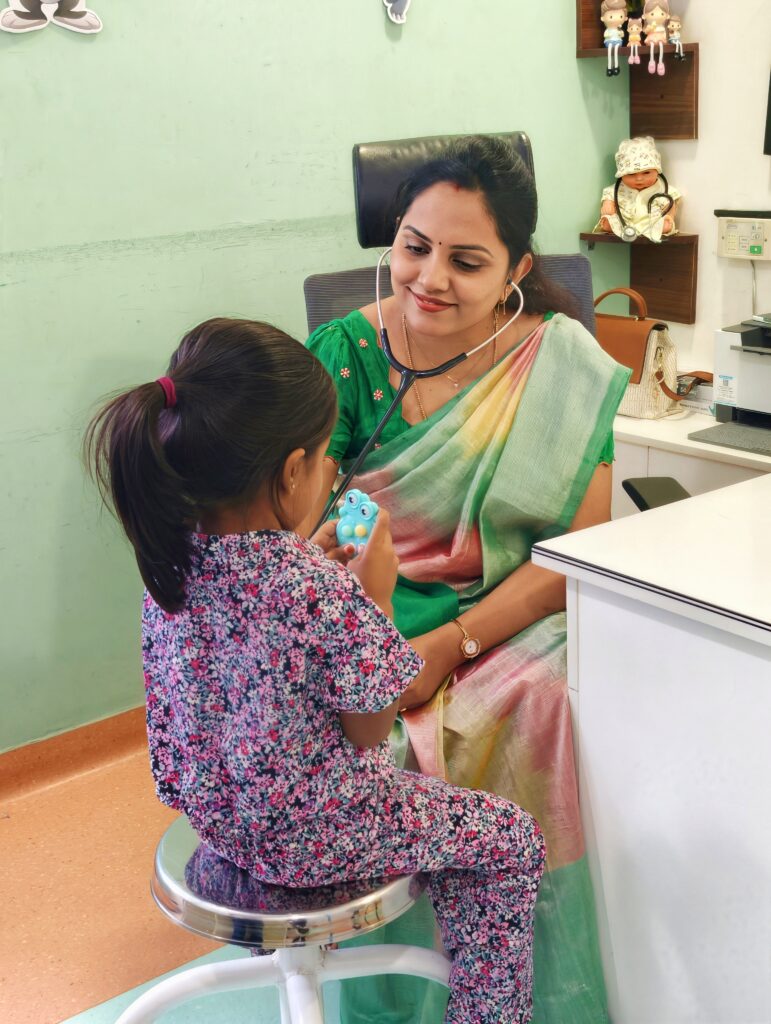
While dengue gets most of the attention every monsoon, current health tracking shows typhoid is actually leading Hyderabad’s fever risk this season. Contaminated water and food during heavy rains make August–September peak months for typhoid, cholera, and other stomach infections in children. Here’s what KPHB and Kukatpally parents need to know.
Why Typhoid Rises Every Monsoon in Hyderabad
Typhoid is a bacterial infection caused by Salmonella typhi, spread through contaminated food or water. During monsoon, flooding and waterlogging contaminate water supply lines, street food hygiene drops, and warm, humid conditions help bacteria multiply faster. Children under 15 are particularly vulnerable, since their immune systems haven’t built up the same resistance as adults.
Typhoid Symptoms in Children
Unlike dengue’s sudden high fever, typhoid tends to build gradually:
- Fever that rises steadily over several days rather than spiking suddenly
- Persistent headache and general weakness
- Loss of appetite
- Abdominal pain or discomfort
- Constipation or, less commonly, diarrhea
- Coated tongue, mild cough
- In some cases, a faint rash on the chest or abdomen
The key clinical clue: typhoid fever tends to climb steadily day after day, while dengue fever is usually high from the start and malaria comes and goes in cycles. If your child’s fever keeps “creeping up” over 4–5 days rather than breaking, typhoid should be on your radar.
It’s Not Just Typhoid — Other Waterborne Illnesses to Watch
- Acute gastroenteritis — the most rapidly rising monsoon condition in children, usually from E. coli, rotavirus, or norovirus, causing vomiting and loose motions
- Hepatitis A — a viral liver infection from contaminated food or water, causing fatigue, appetite loss, nausea, and sometimes yellowing of the eyes or skin
- Cholera — less common but serious, causing rapid, watery diarrhea and fast dehydration; needs urgent care
Why Children Dehydrate Faster Than Adults
Kids lose fluids much more quickly relative to their body size. With any waterborne illness involving vomiting or diarrhea, dehydration — not the infection itself — is often the most dangerous part. Watch for:
- Dry mouth and lips
- Reduced urination (fewer wet diapers or bathroom visits than usual)
- Sunken eyes
- No tears when crying
- Unusual drowsiness or irritability
- Cool, dry skin
If you notice these signs, don’t wait — dehydration in children can escalate within hours.
Typhoid Needs a Blood Test — Not Guesswork
Because typhoid, dengue, and malaria can all start with similar symptoms, self-diagnosing at home is risky. A simple blood test (widal test or blood culture) confirms typhoid, and — importantly — typhoid is one of the few monsoon fevers that genuinely needs antibiotics, but only the right ones, prescribed after proper diagnosis. Taking random antibiotics without confirmation can worsen resistance and delay real treatment.
What Helps at Home (For Mild Stomach Upset)
- Oral Rehydration Solution (ORS) — the single most effective tool against dehydration; keep it on hand through monsoon season
- Bland, easily digestible food — rice, curd, bananas, khichdi
- Plenty of boiled or filtered water, even between meals
- Rest and close monitoring of urination and energy levels
What NOT to Do
- Don’t give anti-diarrheal medication to young children without medical advice — in infections, the body is often trying to clear the infection, and stopping this can sometimes prolong illness
- Don’t assume it’s “just a stomach bug” if fever persists beyond 3 days — get it checked
- Don’t rely only on home remedies if your child is not keeping fluids down
Prevention: What Actually Reduces Risk
- Boil or filter all drinking water — this single step prevents the majority of waterborne infections
- Avoid street food and cut fruits/juices sold outdoors during monsoon
- Wash fruits and vegetables thoroughly with clean water before eating
- Ensure freshly cooked, hot food rather than food that’s been sitting out
- Reinforce handwashing before meals and after using the toilet
- Consider discussing the typhoid conjugate vaccine (TCV) with your pediatrician — it’s an effective preventive option for children in high-risk seasons and areas
When to Bring Your Child In
- Fever lasting more than 3 days, especially if it’s rising gradually rather than breaking
- Persistent vomiting or inability to keep fluids down
- Signs of dehydration (see list above)
- Abdominal pain that’s worsening
- Unusual lethargy or difficulty waking your child
- Blood in stool or vomit
Quick Reference: Typhoid vs. Dengue vs. Malaria
| Feature | Typhoid | Dengue | Malaria |
|---|---|---|---|
| Fever pattern | Gradual, steadily rising | Sudden, high from day 1 | Comes and goes in cycles (~48 hrs) |
| Key symptom | Abdominal discomfort, weakness | Severe body/joint pain, pain behind eyes | Chills with fever, sweating |
| Cause | Bacteria (contaminated food/water) | Mosquito bite (daytime) | Mosquito bite (nighttime) |
| Confirmation | Blood test/culture | NS1/platelet test | Blood smear/rapid test |
| Treatment | Antibiotics (after confirmation) | Supportive care, fluids | Antimalarial medication |
Visit Dr. Prathyusha’s Pediatric Clinic in KPHB Colony
If your child has a fever that’s lasting several days, stomach pain, or symptoms of dehydration, it’s best to get evaluated rather than wait it out. Dr. Prathyusha’s clinic in KPHB can help identify the cause quickly and guide the right treatment.
📍 Location: 7th Phase, KPHB Colony, Hyderabad 📞 Phone: 8074345938
Book an appointment today — early diagnosis makes all the difference with monsoon fevers.